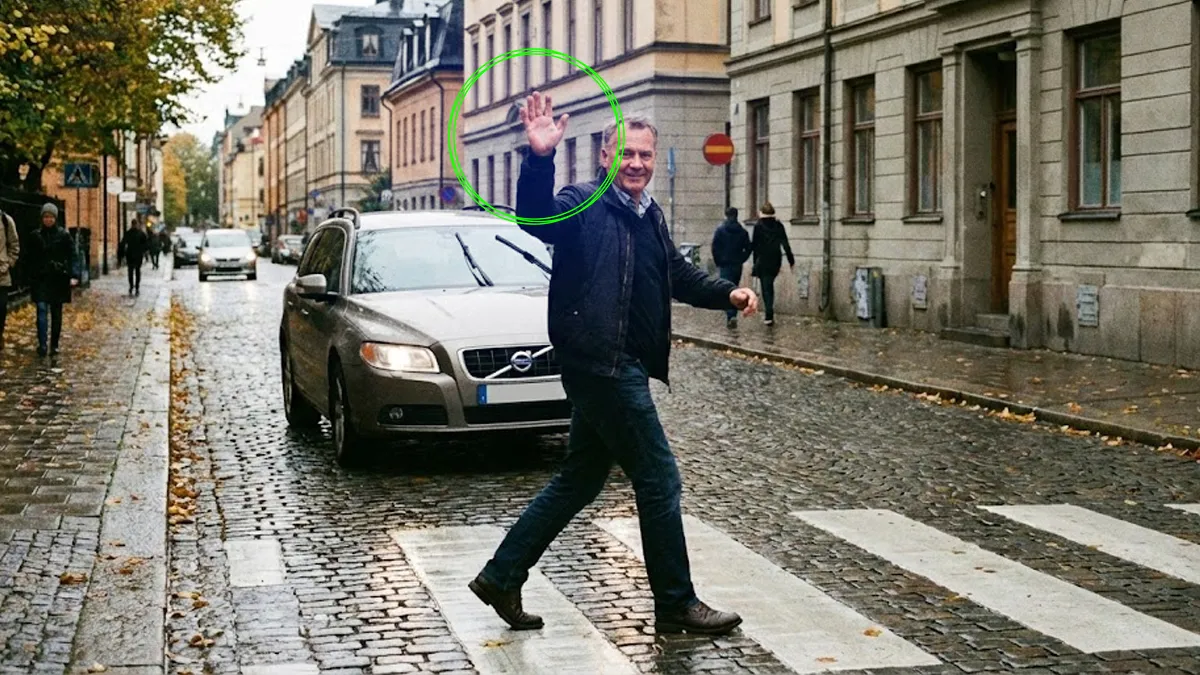
According to psychologists, giving drivers a wave of thanks when crossing the road reveals distinctive personality traits
In our connected world, understanding different measurement systems and how currencies convert is more important than ever. Whether you’re a traveller, an entrepreneur, or just curious, knowing these conversions shapes how you deal with distances, areas and money. This article walks through unit and currency conversions for en-GB standards and explains what the differences mean in everyday situations.
Making sense of unit conversions
Measurement units crop up everywhere — from cooking to travelling — so converting between systems helps with clarity and accuracy. In the UK the metric system is generally used, so converting miles to kilometres or square feet to square metres is often necessary.
Take converting miles to kilometres as an example. A mile is noticeably longer than a kilometre, and the conversion factor is 1.60934, which gives you a reliable result. Some may think that degree of precision is over the top, but in areas like engineering or aviation those small differences can produce big variations.
When you’re looking at area, square metres tend to be preferred over square feet (especially in UK and international property listings). One square foot equals roughly 0.092903 square metres, a conversion that matters when valuing or buying property across borders.
Handling currency conversions
Currency conversion brings its own set of rules. With the locale set to en-GB (UK English), converting various currency symbols into GBP (£) is the usual approach. This matters for finance, travel and international business, where knowing the exchange rates helps produce accurate figures.
When working with amounts without a definitive rate, the number itself may stay the same, but it’s important to match the symbol and currency code to local standards. For example, converting an amount listed in US dollars will mean changing “$” or “USD” to “£” or “GBP”, even if the numeric value isn’t altered.
Exchange rates move all the time, so when you can’t do an exact conversion you’ll often use an informed estimate (rates fluctuate depending on markets). That lets you express the relative value without misrepresenting the actual figure, which is useful for budgeting and transactions across different economies.
What this means for everyday life
These conversions turn up in lots of daily situations. People in international trade rely on correct currency conversions to avoid losing money or misreading costs. Tourists use metric conversions to get around more easily and safely in new places.
Knowing how units and currencies translate also helps communication between countries. It makes professional dealings smoother, boosts educational exchanges and simplifies shopping or renting across borders.
You can’t overstate how much these conversions matter — they affect simple things like following a recipe and complex tasks like negotiating international contracts. As the world gets more globalised, being familiar with conversions moves from being a convenience to a practical skill.
In short, keeping up with measurement and currency conversion pays off. It brings clarity when you’re interpreting numbers, reduces misunderstandings, and helps both personal and professional interactions run more smoothly as you deal with a global audience.