Are your groceries truly safe from pantry moths? Discover whether they can invade sealed jars and packets
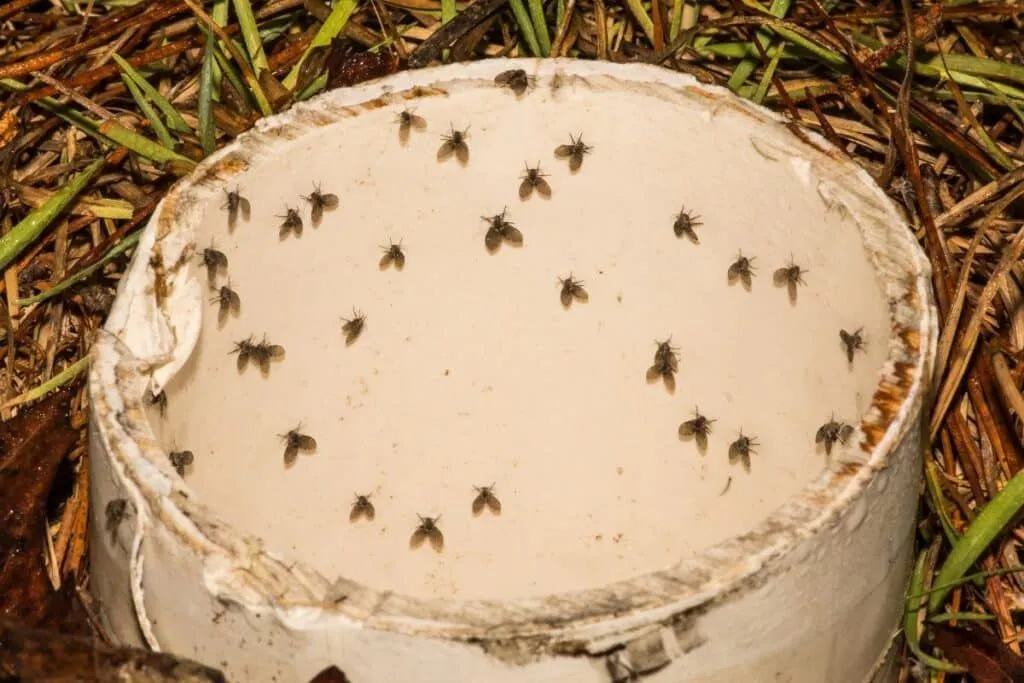
Invisible but sly, food moths can quickly become a real nuisance in any kitchen. These little creatures are surprisingly good at getting into pantry spaces, turning cupboards that should be full of tasty ingredients into places of contamination. The big question is: are the jars and packets we think are airtight actually keeping them out?
how they get in and what they do
Food moths have evolved to be persistent intruders. They can wriggle through the tiniest gaps, taking advantage of any weakness in packaging. A jar left not properly closed or a bag that isn’t completely airtight gives them an easy way in. At first an infestation can go unnoticed, only becoming obvious when small grey or brown butterflies—adult food moths—start appearing as they look for new places to nest.
Once inside, they get to work, chewing holes in cardboard and thin plastic packaging. You’ll often find webs and filaments that look like fine cobwebs around jar lids or inside packets. Those webs show where eggs have been laid and where larvae are developing (and changing into the next stage of their life cycle).
do everyday defences really work?
Most people assume airtight packaging is the main defence against moths. But this only holds if the seal is perfect; even the tiniest gap can be an entry point. Many containers that look sealed might not be fully airtight if any part is damaged.
For the best protection, glass jars fitted with rubber or silicone seals are top of the list. Food-grade plastic boxes with multi-clip lids are also a good bet, provided they’re kept in good condition (clean and with working clips). By contrast, cheap plastic tubs with loose lids and resealable plastic bags without double seals are vulnerable. Cardboard packaging should be avoided altogether since it doesn’t offer adequate protection.
spotting an infestation and what to do right away
You can spot an infestation by a few clear signs. White threads like cobwebs may appear around jar caps or inside packages. Adult moths may start flying around the kitchen as they search for new homes. Holes in packaging are another obvious sign. If you see any of these, act quickly: inspect all susceptible areas carefully and throw away any contaminated food immediately.
Cleaning is important. A simple mix of water and white vinegar will clean cupboards thoroughly and make the area less welcoming to returning pests. For longer-term protection, invest in good airtight containers and check them regularly.
how to stop food moths from moving in
Prevention comes down to steady habits. Store dry foods in airtight jars—glass or sturdy plastic are best. For an extra layer of deterrent, put a bay leaf in containers (its smell tends to put moths off). Regularly sorting and checking cupboards stops small problems from turning into infestations. Don’t leave products open or poorly sealed for long periods.
Recognising that food moths can be an unseen threat is the first step to keeping your kitchen safe. By sticking to sensible storage routines and checking your supplies, you can keep these pests away. Buy quality jars and follow these simple measures to protect your food and keep your kitchen worry-free.