Defrost your fridge in just 10 minutes with a surprisingly safe technique
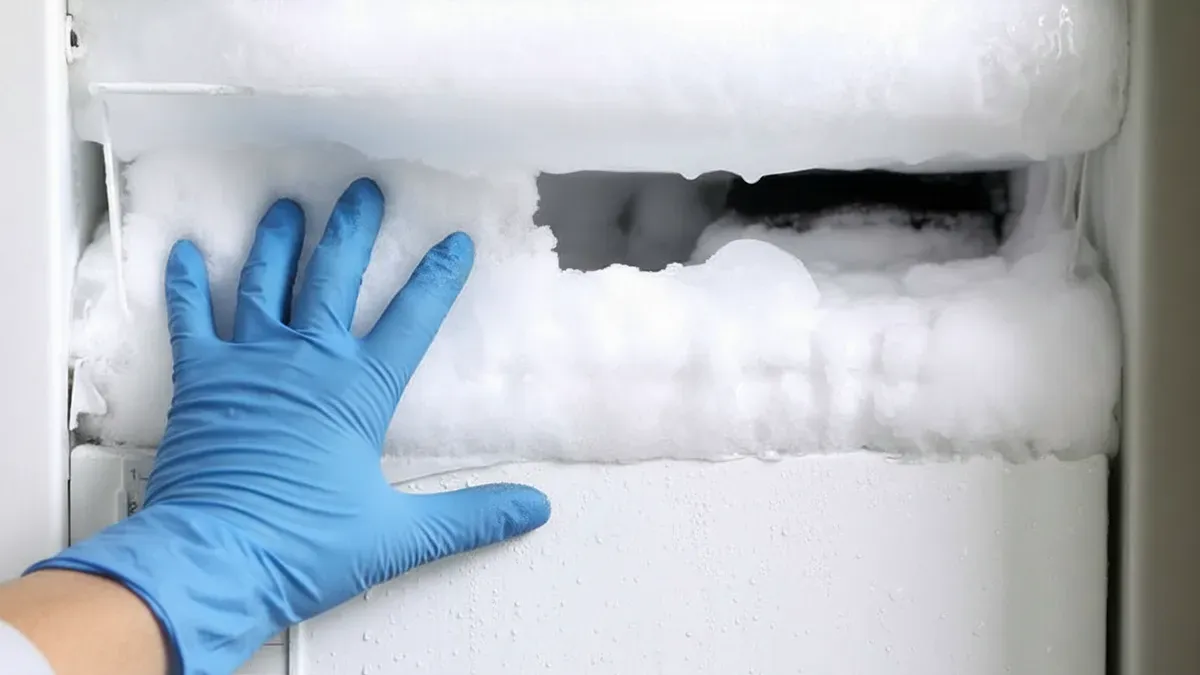
A freezer with a thick layer of ice causes plenty of headaches. Ice eats into your storage space and pushes up electricity use, which adds to your monthly bills. Regular defrosting — though many people put it off because it seems long-winded — helps the appliance run more efficiently and lasts longer. Ice can even freeze drawers and doors shut, which is just another annoyance.
Why you should defrost regularly
If you don’t defrost your freezer on a routine basis, it uses more electricity and that shows up on your bill. A well-kept freezer controls energy use and helps avoid untimely replacements, extending the life of the appliance. Bear in mind this simple maintenance also means fewer problems like frozen drawers and a smoother-running kitchen.
It might look like a daunting chore, especially when you expect it to take hours, but there are quick, safe methods that can have the job done in as little as 15 minutes. These avoid risky shortcuts and make the task far less of a faff.
Methods to avoid and safer options
A common temptation is to use a hairdryer for a quick defrost. Don’t do it — it’s risky (electric shock and damage to sensitive parts are both possible). Using a hairdryer is considered dangerous and should be avoided entirely. There are safer ways to get the job done without harming the appliance.
- One simple, effective trick is a metal bowl filled with hot water. The steam rising from the bowl kick-starts melting quickly and safely. Make sure the bowl is kept away from any electronic components.
- Another option is using a fan to blow warm air into the freezer. That improves air circulation and speeds up melting — handy if you want to get it done fast.
- For stubborn ice, try a salt solution. Mix one tablespoon of salt per litre of warm water and apply it with a plant sprayer (spray bottle). Salt lowers the freezing point and helps the ice pull away from the walls. Use it sparingly; too much moisture can lead to fresh ice forming, so wipe down surfaces with clean warm water afterwards to remove any residue.
Mechanical and old-school help
If you need to use tools, pick something gentle like a rubber spatula or a plastic card. These let you prise off ice without scratching the interior. Never use sharp objects — they can cause irreversible damage. Dab away any small amounts of meltwater with a cloth.
A heat-compress trick — a cloth soaked in hot water placed over icy patches — can help loosen ice efficiently. Likewise, a hot-water bottle wrapped in a thin cloth works well for awkward corners. Keep an eye on things while you do this to avoid spills.
Prevention and upkeep
After defrosting, dry the freezer thoroughly to stop ice coming back. Doing this simple step cuts down the chance you’ll have to repeat the whole process soon after. Tackling small ice build-ups every few weeks saves time and energy in the long run. Other good habits: dry the interior after cleaning, keep the door open for as short a time as possible, and check the seal so it closes properly.
As a rule of thumb, most freezers benefit from defrosting once every three months, though older units or those that frost up quickly may need doing more often.
The benefits you’ll notice
A frost-free freezer makes life easier — it runs more efficiently and saves you hassle. No sticking drawers, less wasted energy, and loading groceries becomes straightforward. Use these safe, sensible methods and you’ll finish the job quickly and feel proper pleased with the result.