Personality quiz: The shape of your foot reveals you’re more reflective and spiritual than most
When we try to understand ourselves better, lots of people turn to tools and tests that shed light on personality and behaviour. Astrology and the Myers‑Briggs Type Indicator are well known, but there’s a lesser‑known idea worth a look: the foot shape personality test. It offers a fresh way to think about habitual patterns and nudges you towards reflection and small changes.
A gentle, non-deterministic way to explore yourself
This test isn’t about magic predictions or a fixed fate. It’s framed as a “mirror for habits that repeat”, suggesting our feet might hint at patterns in how we live and what we prefer. The aim is self-reflection: observe, listen and make gentle adjustments. Lines like “stay curious, not rigid” and “let change arrive in small steps you can keep” set a relaxed tone, encouraging growth without pressure.
Feet are often less noticed than hands or faces, yet they’re thought to hold quiet stories. The image of feet as “notes in the margin, not the main chapter” sums that up — an invitation to read what’s been overlooked.
What different foot shapes can say
Egyptian foot: quiet depth
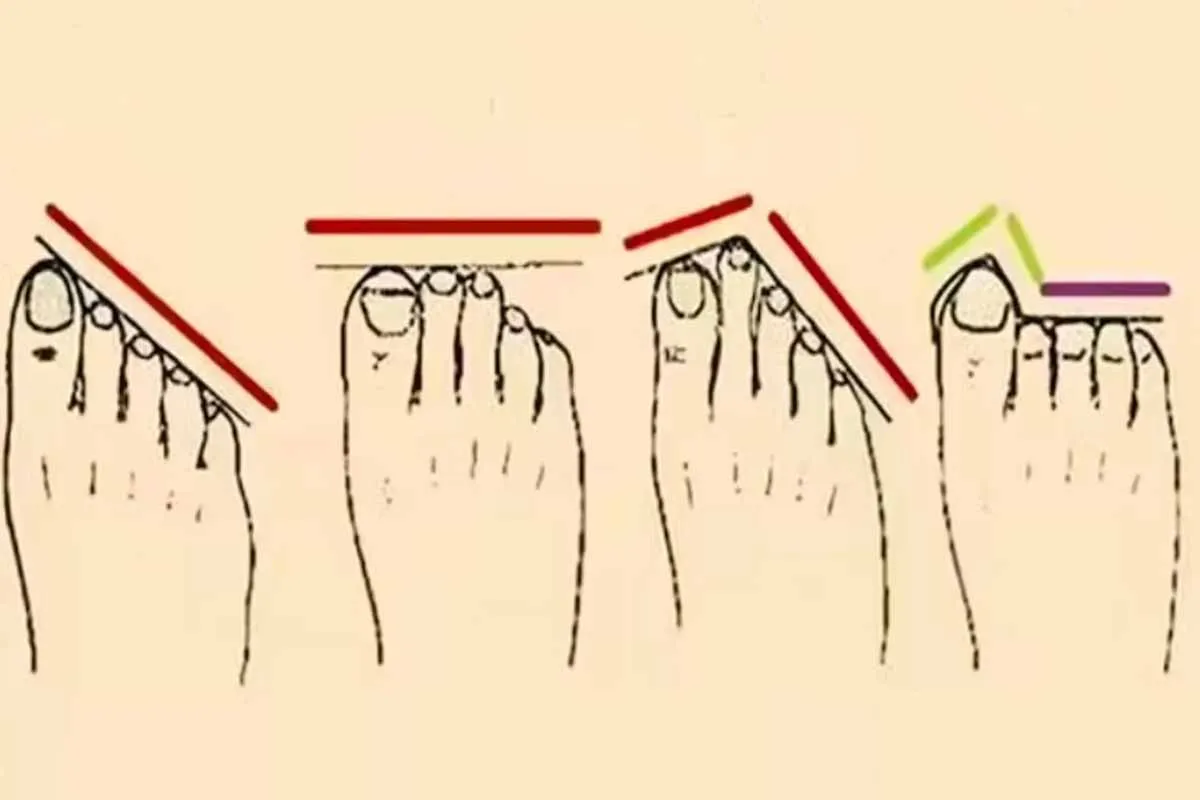
The Egyptian foot has a big toe that is longer than the others, sloping downwards. People with this shape are said to value silence, show deep patience and prefer to take in information before acting. They tend to keep tidy spaces and make decisions deliberately. The test suggests simple tools like short lists and gentle breathing exercises to curb overthinking — handy ways to keep things balanced.
Roman foot: structure and leadership
With the Roman foot, the first three toes are about the same length, hinting at a liking for routine and clear structure. Those with this shape often do well in leadership roles, setting clear goals and boundaries. They can weigh up risk with a “cool head”, though on sensitive days a pause before replying helps keep trust within teams.
Germanic foot: reliability and tradition
Marked by a broad big toe, the Germanic foot points to reliability and strong organisational skills. People with this type are often methodical, quick to fix problems and warm hosts. Traditions matter to them, though they will accept necessary change. Their loyalty grows slowly, which reinforces their trustworthy nature.
Creative, free-spirited types
Greek foot: energetic and experimental
The Greek foot, where the second toe is longer than the rest, is linked to energy, curiosity and a taste for exploration. Fast ideas and experiments drive these people, who suit lively environments and projects. They do need to manage enthusiasm so they don’t overstretch resources; checklists and sustainable planning are practical safeguards.
Celtic foot: independent and unconventional
Similar to the Greek foot but with a shorter big toe, the Celtic foot suggests independence and a tendency to buck the norm. Those with this shape enjoy turning obstacles into opportunities and need work that keeps them excited. Having a clear “north star” (a steady goal) helps maintain focus amid many possibilities.
Simple, practical steps to find balance
Reading your foot shape works best with an open, relaxed mindset. The reminder to “let the mirror stay kind” is about using these ideas for gentle self-exploration, not rigid rules. Stand barefoot on a flat floor and compare your toe line with the descriptions (so your toes make a clear line) to see whether you identify with an Egyptian, Roman, Germanic, Greek or Celtic foot. If none of it fits, it’s fine to move on without forcing an interpretation.
Small practices can help: writing down successes and challenges, taking short walks, noticing physical signs of stress such as a tight jaw or shallow breath, and adopting micro‑habits like five minutes of morning planning. These little, practical actions can anchor and balance anyone exploring self‑growth through the often‑overlooked lens of foot shape insight.