The One Spot You Must Avoid Plugging in a Microwave—It Might Spark a Fire
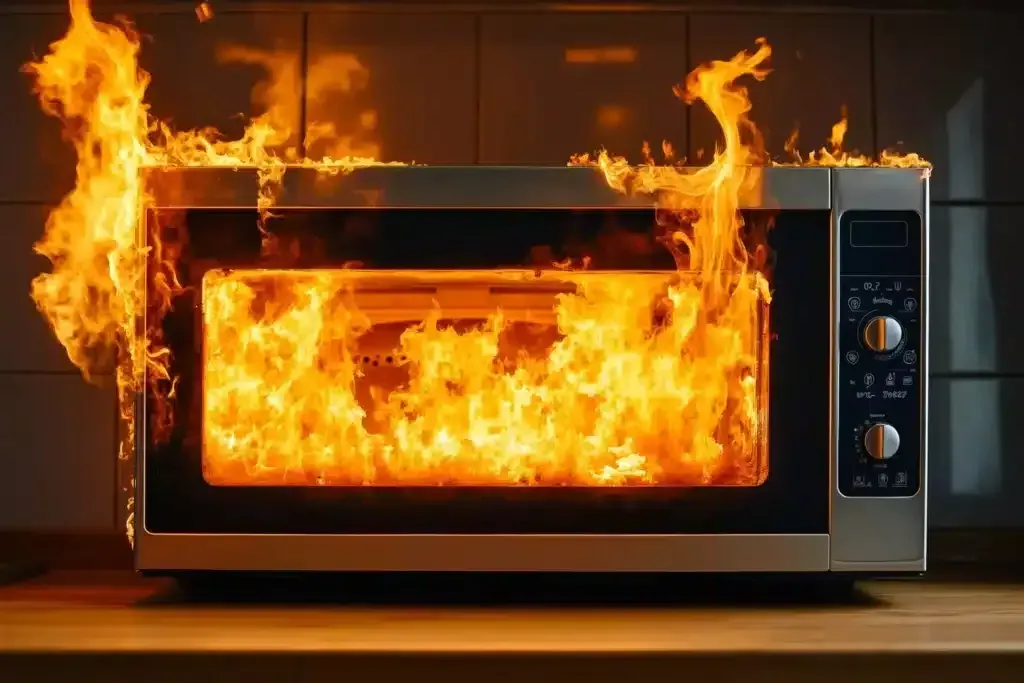
Kitchen microwaves are a fixture in homes across the UK, prized for the speed and ease they bring to meal prep. But their widespread use can make people overlook the fire risks that come with poor placement or lax upkeep. This article looks at the dangers linked to where you put your microwave, suggests safer ways to use it, and points out why kitchen safety matters more broadly.
Why where you put your microwave matters
A lot of the risk comes down to placement. Storing a microwave next to heat-producing appliances, like an oven, is a common mistake. The strong heat from nearby kit can affect the microwave’s internal parts. The magnetron, a key component responsible for converting kinetic energy into electromagnetic energy (it’s the part that generates the microwaves), is especially vulnerable. If it’s exposed to high temperatures it can overheat, which may cause faults or, in worst cases, fires.
Using extension leads or adapters is another often-overlooked hazard. These can lead to electrical overloads or failures, increasing the chance of a fire. To reduce that risk, plug the microwave straight into a wall socket.
Practical tips for microwave safety
Follow simple maintenance and operating routines to stay safe. Check the power cable regularly for signs of wear or damage. Keep the microwave clean — especially the vents — since grease and food debris can build up and become a fire starter over time. Make sure the appliance has good ventilation so it doesn’t overheat and keeps working efficiently.
Also, avoid humid locations that could cause electrical short circuits. Ideal spots include countertops away from the sink, built-in cabinets with proper ventilation, and microwave carts with sturdy wheels. Don’t place a microwave too close to the oven, the hob, or on top of the fridge, as those spots expose it to higher heat or humidity.
Don’t forget the rest of the kitchen
Microwave safety is just one piece of the puzzle when it comes to a safe kitchen. Keeping surfaces and equipment clean reduces both hygiene problems and fire hazards. Good organisation helps prevent accidents and makes the kitchen easier to use. That means looking after electrical appliances, cookware and other bits of kit, not just the microwave.
It’s worth being aware that other appliances, such as air fryers, bring their own considerations and potential downsides — points that are sometimes glossed over by salespeople.
Make safer choices and stay informed
Homeowners should take a clear look at their kitchen layout and remove obvious fire risks. Regular maintenance of appliances can make a real difference in preventing serious incidents. Being informed about the tools and machines you use every day — from microwaves to air fryers — helps you manage the risks and keeps your cooking space safer and more efficient.
Overall, putting and using your microwave safely is one important step towards a safer kitchen. A few proactive measures will protect your home from fire hazards and make cooking a lot less stressful.