The true psychological meaning behind walking with your hands clasped behind your back
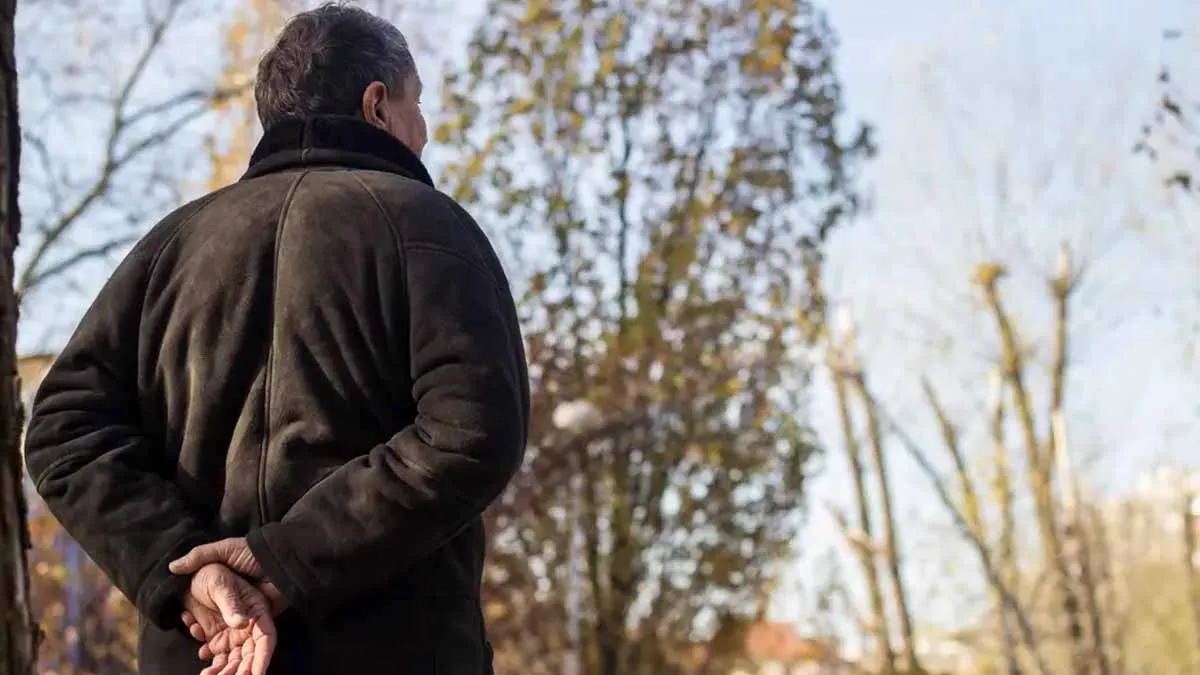
Walking with your hands behind your back might look like a small, even meaningless habit, but it can say a lot about how someone is feeling inside. Often done without thinking, this posture has attracted the attention of psychologists and body‑language experts, who see it as a quiet clue to personality and mental states.
An automatic gesture with a bit more behind it
Lots of people fall into this stance naturally, almost on autopilot, usually after a few steps. It’s a calming move, one that often happens without conscious thought. As body‑language specialists like to remind us, the body rarely lies, so this little habit is worth noticing.
Experts often link walking with hands behind the back to a need to think or just to have a moment of calm. But its meaning can shift a great deal depending on the situation and the person doing it. It’s best to read this signal alongside other cues so you don’t jump to the wrong conclusion.
Showing authority — or having a quiet think
Some people — teachers, researchers, military personnel and public figures — frequently adopt this posture as a way of appearing authoritative. Arms tucked behind the back create a sense of distance and control, signalling that someone is at ease with the space around them and confident in themselves.
By contrast, for great thinkers, meditators and solitary walkers, the same posture helps with introspection. With the hands out of sight, distractions fall away and the mind is freer to wander, sort thoughts and process feelings. The steady rhythm of walking acts like a metronome for reflection and focus.
Comfort and what it says about age
Among older people and retirees, this way of walking is often more about comfort than authority. Motor‑skills experts describe it as an “economy” gesture (a term used to explain how the body conserves energy): placing the arms behind the back gives physical support, eases the chest and helps reduce tiredness. It can also come across as a sign of dignity and calm — a kind of wise, measured bearing.
Practical benefits and what observers notice
Some psychologists even recommend trying this posture when your head feels overloaded. Crossing the hands behind your back and walking at an even pace can help slow the rush of thoughts and soothe the body, offering a simple tool for finding calm in a hectic day.
A note of caution: don’t read this posture in isolation. While it can mean reflection or comfort, it may mean different things in different situations. The surrounding context, a person’s general demeanour and the energy they give off all help determine what the posture really signifies. It can show both vulnerability and strength, making someone feel present while also inviting inner thought.
Repeatedly adopting this stance can subtly shape personality traits over time. Often unnoticed by others, it can quietly reveal what’s going on inside a walker’s head. Streets, parks, university corridors and classrooms all provide different backdrops for the gesture, each adding its own layer of meaning.
Seen and studied by observers and experts, walking with your hands behind your back remains a handy way to find calm and to pause for thought. Next time you take a stroll, try it yourself and see how your body and mind respond. You might find it says more than words ever could.