The World’s Simplest Houseplant to Look After — And Surprisingly, It Isn’t a Cactus!
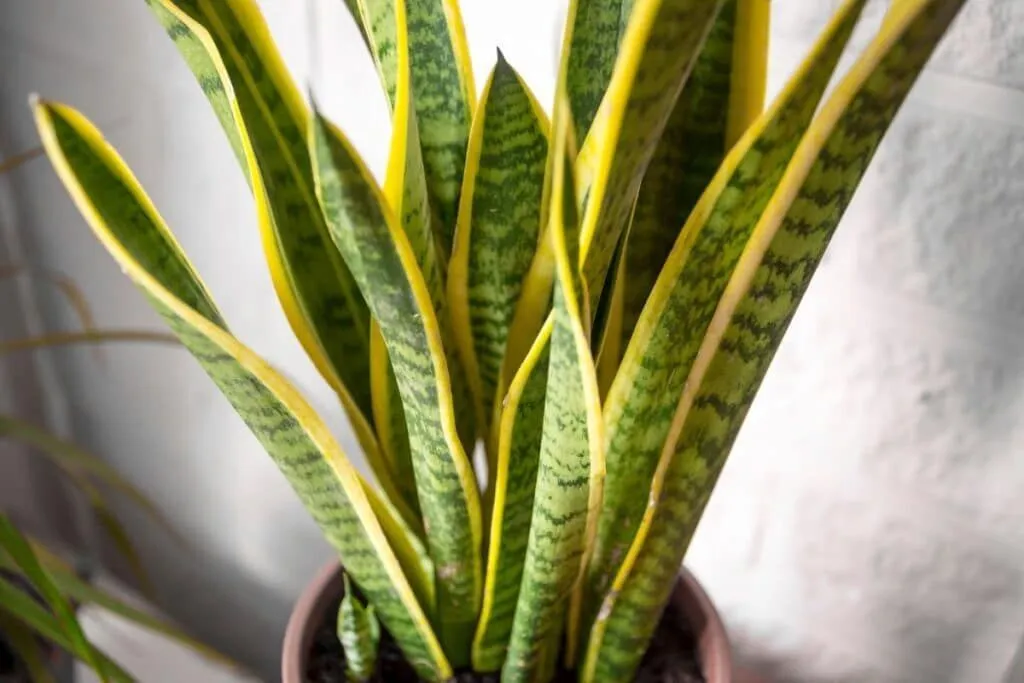
In today’s fast-moving world, finding time to look after houseplants can feel tricky. For those who still want a bit of greenery without the faff, low-maintenance plants are a great option. This piece looks at how to keep indoor plants healthy with minimal effort, focusing on varieties that do well when you’re a bit neglectful.
What makes a plant low maintenance
Low-maintenance plants are naturally tough — they’ve evolved to cope with harsher conditions and less fuss than more demanding species. That makes them ideal for beginners and anyone with a busy life. To help your indoor garden thrive, it’s useful to know how these hardy plants behave at home.
A standout trait is drought tolerance. Take the whale fin sansevieria, famous for surviving long spells without water. It only needs a drink when the soil is completely dry, so it suits holidays or people who often forget to water. Its thick leaves store water, so it can shrug off long dry periods.
Picking plants and finding the right light
Many low-maintenance plants also cope well with different light levels and can even manage in low-light spots where other plants struggle. That makes them handy for homes with limited natural sunlight. For best results, tuck them where they get indirect light rather than full sun — they don’t usually need intense exposure and adapt easily to shadier corners.
Choosing the right plant makes a big difference to how much effort you’ll need to put in. Two good examples are the whale fin sansevieria and the snake plant. The whale fin sansevieria is tough, drought resistant and stores water in its thick leaves, which is perfect for forgetful owners or busy schedules. The snake plant is just as hardy and also helps with indoor air quality; its broad green leaves trap pollutants, so it’s both decorative and practical.
Simple care tips for healthy growth
Caring for low-maintenance plants comes down to knowing how to water and manage light. A useful rule is to water infrequently but thoroughly. Make sure the potting mix is completely dry before you water again — over-watering is the most common mistake and can cause root rot (when the roots decay from too much moisture). Water only when the soil is dry.
As for light, place these plants where they’ll get indirect sunlight. A bit of natural light is helpful, but they don’t need full exposure and will adapt to less bright areas, which means less fuss over positioning.
Extra benefits of having indoor plants
Indoor plants do more than look nice; they bring several practical perks, especially for air quality. Some species are good at filtering airborne toxins. The snake plant, for example, is known for improving air quality by absorbing harmful pollutants through its leaves and turning carbon dioxide into oxygen, helping create a fresher indoor atmosphere.
Plus, having plants around is linked to lower stress and better mood, which helps mental wellbeing. Low-maintenance species make it easy to bring nature into daily life without adding chores.
Bringing low-maintenance plants like the whale fin sansevieria and the snake plant into your home is a straightforward way to enjoy indoor greenery without the hassle. Pick the right varieties and follow basic care tips, and anyone can have a healthy, lush indoor garden. Give it a go and turn your space into a calm, green spot that suits even the busiest lifestyle.