What does clearing your own table for the waiters at a restaurant really reveal about you, according to psychology?
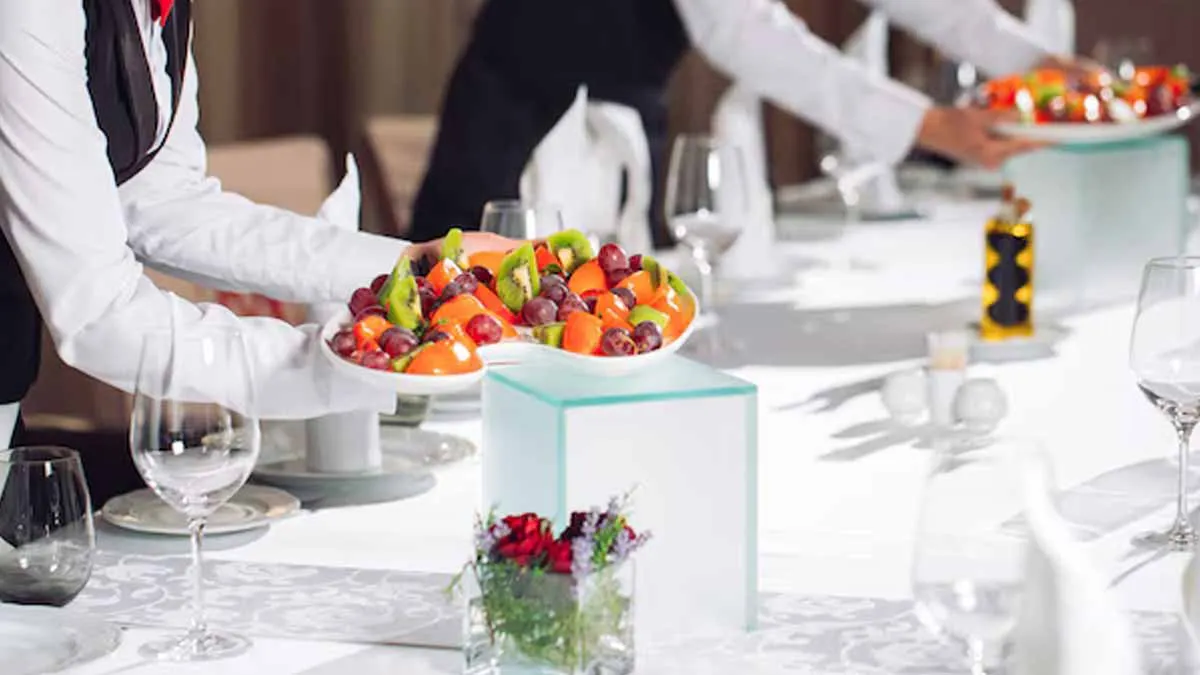
In a busy restaurant — where cutlery clinks and guests murmur — a tiny act can brighten someone’s day. Helping a server clear a table might seem trivial, but it often says a lot about a person. That small move can speak of kindness, solidarity and a way of seeing the world that’s attentive to others.
In the organised chaos of service, diners behave in all sorts of ways. Many just pay their bill and go, while others step in with what you might call a non-verbal language of kindness. They stack plates, gather glasses and hand over condiments, not out of a rush for efficiency but to ease the workload of the staff.
Martin L. Hoffman, professor emeritus at New York University, calls it “a small movement, a big message.” He points out that these gestures are about offering comfort rather than simply speeding things up. Michael Tomasello (a psychologist) backs this up, saying these instincts come from deep learning — social reflexes that develop over years, much like learning to walk.
That behaviour reflects a broader outlook on life that goes beyond the restaurant. It shows a habit of noticing unseen efforts and paying attention to strangers. These tendencies often start in childhood; if mutual help is the norm in a child’s home, those reflexes tend to stick into adulthood. Social and family cultures keep feeding those habits until they become second nature.
Prosocial acts take many forms
Prosocial acts take many forms beyond clearing a table. Among the thousand other ways people can help are:
- assisting a mother with her stroller on the stairs
- carrying a neighbour’s shopping
- donating blood
Even donating blood fits into this spectrum of selfless actions. Each example points to the same thread of human connection — a quiet but powerful force that brings out our shared humanity.
Clearing a table doesn’t usually come with words, yet it’s a meaningful sign that you appreciate someone’s effort and tiredness. It shows an intention to lighten someone else’s load and is a neat reminder that kindness doesn’t have to be grand to matter. These small exchanges reveal a mindset where the little things count and relationships can be built without any formal exchange.
All told, these simple gestures form part of a wider cultural conversation. They highlight compassion and gratitude, teaching that helping others can become an automatic social reflex, as natural as walking. It’s comforting to think that a single small action might ripple outward, spreading goodwill and connecting people through a shared approach to kindness.
In the end, such modest but telling acts remind us how much difference tiny things can make to someone’s day. They show a willingness to recognise and ease invisible efforts and present solidarity in its most accessible form. Often overlooked, these behaviours invite us to think about how we might fold similar prosocial habits into everyday life, helping to build a more attentive and caring world.