What does helping clear the table at a restaurant reveal about you, according to psychology?
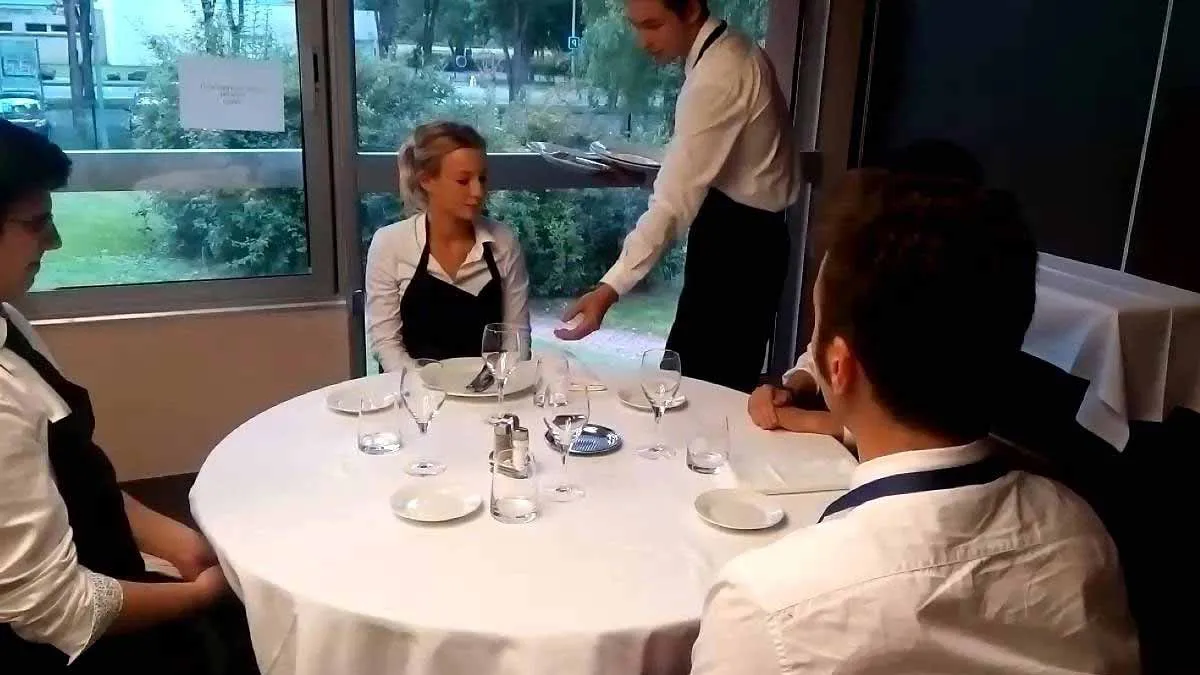
The simple act of clearing a table in a restaurant can tell you quite a lot about someone’s personality and how they relate to others. Often overlooked, these little behaviours reveal basic human qualities like attention, empathy and care. By stacking plates or gathering glasses, strangers can forge a small but meaningful connection. This article looks at why those gestures matter in different social settings and explores the psychology behind prosocial behaviour.
Getting to grips with prosocial behaviour
“Prosocial behaviour” is the key term for these tiny acts of kindness. Psychologists define it as behaviour aimed at others without expecting anything back, a sign of empathy and goodwill. It’s not just something you’re born with; it’s also learned through watching others and through habit. Empathy, whether natural or picked up, helps build a shared sense of solidarity and attention.
You see these behaviours at home, in public and in voluntary groups. Helping clear a restaurant table is one example, but so are:
- carrying an elderly person’s shopping bags,
- helping a parent with a stroller,
- or donating blood.
These small actions can ripple through everyday interactions, softening purely individualistic ways of living and promoting collective care.
What leading thinkers have said
Several prominent psychologists have shed light on this topic. Martin L. Hoffman (a professor of psychology in New York) describes the reflex of clearing a table as “a true proof of attention.” That comment underlines how far from trivial such simple acts can be in human relations. Michael Tomasello, an American psychologist, stresses social learning: repeated gestures we see around us become automatic, much like learning to speak or walk.
These views point to two roots of prosocial behaviour—innate empathy and habits learned during upbringing. As kids, we copy parents and peers, and those helping behaviours slowly become second nature. As adults, we often act without thinking because these gestures are already ingrained.
Where these behaviours show up
The variety of settings where these acts happen shows how adaptable and meaningful they are. Restaurants are a common stage, where helping staff clear tables can surprise and please people. At home and in neighbourhoods, these gestures are more routine, woven into family and community life. In public spaces they happen less often, so those who do step in tend to stand out and leave a lasting impression.
The wider social effect of these gestures goes beyond the practical. They create a short-lived bond between strangers, acknowledging someone’s effort. Even if they don’t hugely change a service team’s workload for the evening, the symbolic effect makes places feel more humane and less transactional. These acts help foster a gentler atmosphere and encourage a culture of kindness and solidarity.
What evidence and observations tell us
There’s no hard quantitative data included here, but plenty of anecdotal evidence and testimony from servers and participants highlight how common and meaningful these gestures can be. Many describe the pleasant surprise and gratitude such acts provoke. Most people might simply pay the bill and leave, but those who pitch in are remembered—their actions linger after the moment has passed.
There’s no fixed rule about doing these things; people’s willingness to help varies. Even without statistics, the qualitative value of such behaviours is clear: they improve everyday social relations.
Small acts like clearing a table are reminders of the shared humanity that links us. They prompt us to think about our part in building a community-minded atmosphere where kindness and care for others matter more than transactional exchanges. With a bit of understanding and empathy, these gestures can turn ordinary moments into memorable connections.