What does psychology say about helping waiters clear your table at a restaurant?
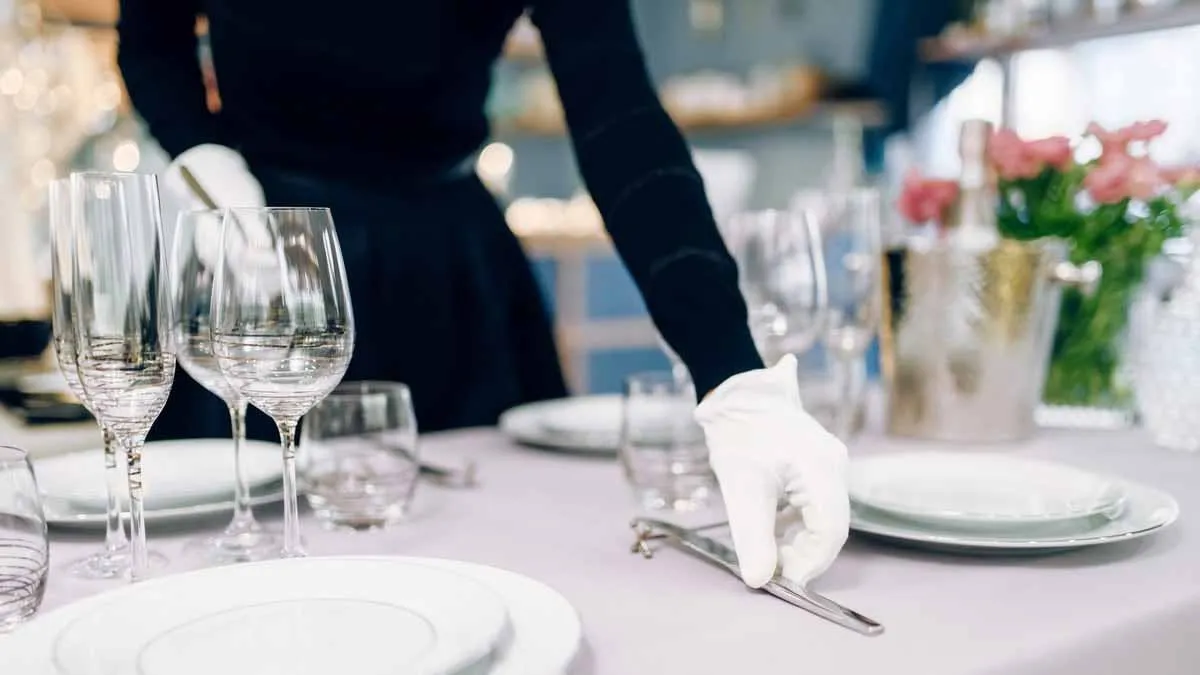
In the rush of everyday life, tiny social gestures often slip under the radar. One you see a lot in restaurants is customers helping servers by stacking plates, straightening glasses, or passing over cutlery. What might look like nothing much at first actually tells us a lot about human behaviour, empathy and how we get on with one another.
Everyday interactions that mean more
Restaurants are a handy place to watch ordinary interactions between customers and servers unfold. These little acts, usually shrugged off as trivial, have caught psychologists’ attention because they reveal something about people. When diners pitch in by stacking plates or tidying cutlery, they’re taking part in what experts call prosocial behaviour (actions intended to help others). It’s a spontaneous inclination to make someone else’s day a bit easier.
Martin L. Hoffman, Professor Emeritus at New York University, points out that these gestures are not just manners; they reflect a personal trait grounded in empathy—whether it’s inborn or learned. They show a real wish to lighten someone else’s load, even when that person is a stranger.
Why people help
There are different takes on why people do these helpful things beyond mere habit or politeness. Some see it as plain empathy, a natural or socialised sensitivity to other people’s needs. Michael Tomasello and other researchers argue that these behaviours come from socialisation—children raised with values of helping beyond their immediate circle take those habits into adulthood.
Personality plays a part too. For some people, these gestures reflect a need for order or control, a wish to make a brief human connection, or simple discomfort with doing nothing. Still, most agree these actions are disinterested and human, driven by an awareness of someone else’s work.
How it links to other helpful acts
This behaviour in restaurants sits alongside a wider range of altruistic actions you see elsewhere. Think of helping a parent with a pushchair, carrying groceries for an older person, donating blood, or giving a few hours to volunteer work. Each example, including the small act of stacking plates with a smile in a restaurant, quietly says: “I see what you’re doing. I respect it, and I want to make it easier.”
These gestures may be rare because many people reserve that kind of attentiveness for family or close friends, but when they happen in public places like restaurants they stand out. As Hoffman puts it, “This gesture is not trivial,” pointing to empathy practised in real life—a rare and valuable attitude in a world that often moves too fast.
What’s going on beneath the surface
The subtleties of these actions go beyond surface-level politeness and touch on deeper psychological areas. Although no specific empirical studies were cited in the piece, psychologists keep studying these behaviours for the fine details they reveal about human nature. Most research agrees on one point: the motivation behind these gestures is often not about showing off but an instinctive reaction, an “almost reflex of the heart.”
So next time you’re in a restaurant, take a moment to notice the people stacking plates or handing over cutlery. These small prosocial behaviours reflect empathy, socialisation or personality traits that, while subtle, broaden our understanding of how people interact. They’re also a reminder to practise empathy day to day and to recognise these small but meaningful acts that help make life a bit better for others.