What walking with your hands behind your back truly says about you, according to psychologists
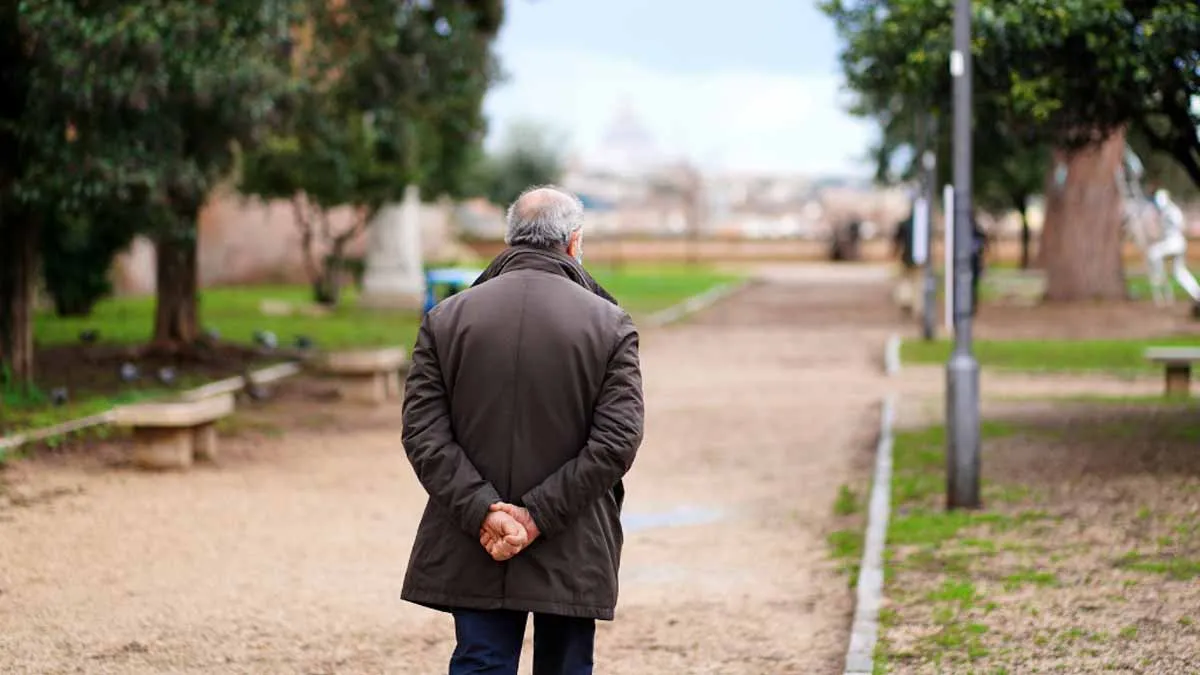
The simple act of walking with your hands behind your back is more than just a posture. Body-language experts and psychologists say this familiar gesture can reveal a lot about someone’s mood and personality, often speaking louder than words. Like a fleeting glance or a restrained smile, it quietly tells a story about your inner state — a moment of calm or reflection that might otherwise go unnoticed.
what body-language experts and psychologists say
Walking with your hands behind your back crops up a lot in body-language research. Specialists suggest it can signal introspection or a meditative mood, a sort of mental pause that helps people sort their emotions and think things through without distraction. Body-language analysts see the gesture as something that frees the mind and gives a private space for reflection. Psychologists sometimes read it as a sign of authority — a quiet confidence that can command presence without trying to dominate. The posture lets someone move with self-control, projecting an understated assurance that says there’s nothing to prove and nothing to hide.
where you’re likely to spot it
You see this posture all over the place. Teachers often adopt it during lessons, as if it helps them centre their attention. Researchers wander campuses deep in thought. Anonymous promenaders in parks fall into a meditative rhythm. Elderly people, including grandparents and retirees, are commonly seen enjoying this reflective pace along boulevards. Even military personnel, who embody discipline and authority, use the stance during formal parades, while leaders and executives often display it as they move along the corridors of power.
the physical and social side
On the physical level, walking with your hands behind your back brings a few obvious changes: the chest opens, the head tends to lift, and the gaze relaxes, giving you a wider view of your surroundings. That position anchors the body, channels energy and cuts down on unnecessary arm movement. It slows your pace and can change your breathing, inviting a quieter state of mind.
Socially, the gesture reads as confidence and control across ages. While some younger onlookers might dismiss it as old-fashioned, it’s actually a universal cue found in many cultures. It tells you less about someone’s age and more about their mental state — a leaning towards calm and reflection.
why it helps you think (and why cultures use it)
This way of walking boosts contemplation, encouraging a more observant gaze and greater attention to what’s around you. It turns a stroll into a kind of informal meditation, slowing the rhythm and welcoming a sense of calm. Widely practised and easily recognised, the gesture often carries connotations of wisdom and simplicity — a quiet ritual that helps people recentre.
practical takeaways and final thoughts
What makes this gesture notable is its simplicity: an effective piece of non-verbal communication that often says more than words. Walking with your hands behind your back doesn’t need over-interpretation. It’s a natural expression of the self — plain but meaningful, a small habit that hints at tranquillity and inward thought.
Noticing this invites us to think about how we communicate silently through posture and gesture. In a noisy world, these quiet moments of reflection can offer a straightforward way to find peace and clarity in everyday life.