Which shoe do you put on first – left or right? Experts reveal what it says about your personality
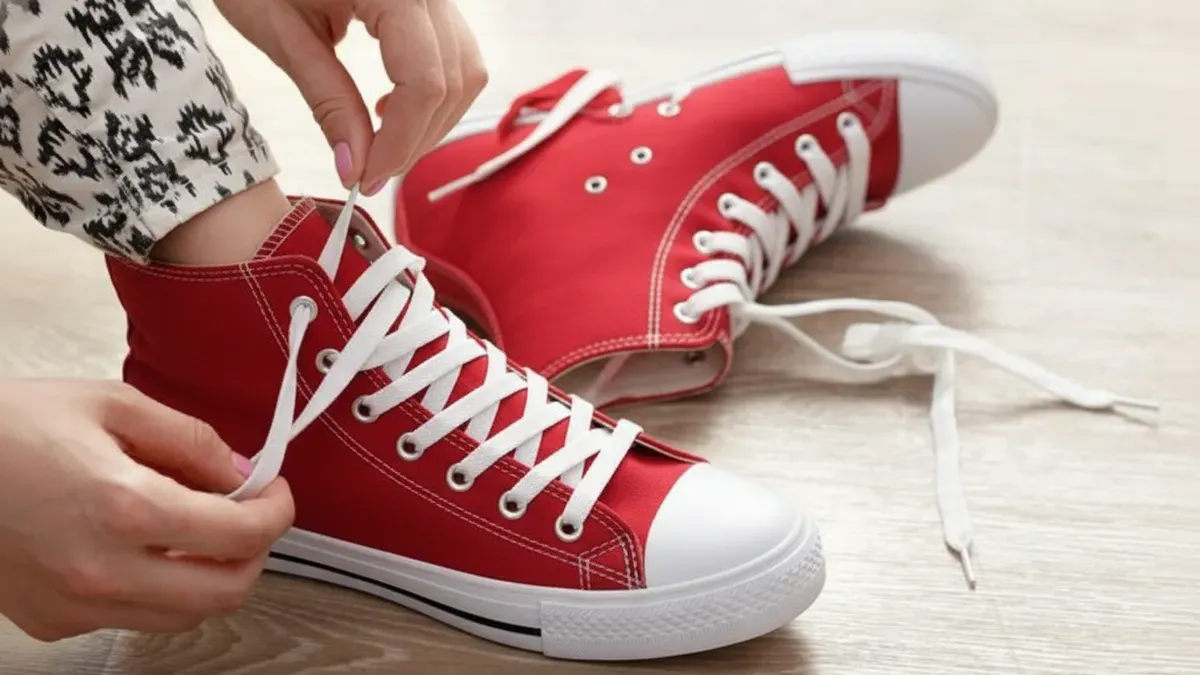
Every morning, almost without thinking, we do a tiny ritual: we put on our shoes. Behavioural psychology (the study of how habits form and repeat) suggests the order in which you slip on the right or left shoe might hint at small parts of your personality. It might sound trivial, but these microhabits (automatic, repetitive routines) can shed light on our inner world and even on the non-verbal signals we give others.
How the shoe-order habit works
Even though our morning rituals feel automatic, the order we follow isn’t always random. Behavioural psychology proposes that these small gestures can act as signals — to ourselves and to people around us. The shoe you put on first won’t define you, but it can be a tile in a bigger mosaic that includes how you stand, sit or carry your belongings, and that can tell you something about how you approach daily life.
Microhabits — like tying shoelaces, choosing a spot for your keys, or preparing the essentials before you head out — happen below conscious awareness. Whether you do them for a sense of control, because you like to be spontaneous, for certainty, or out of cautiousness, those actions can reflect deeper psychological needs.
What the science says — and how to take it with a pinch of salt
Some studies tentatively link shoe-order with personality traits, but the evidence is limited. These theoretical associations (for example, that task-oriented people might put the right shoe on first) aren’t definitive personality tests — they’re prompts for reflection rather than labels.
People who start with the right shoe are often seen as logical and structured, showing a preference for order and planning. Empirical work suggests ties to practicality and rationality, but these findings should be treated carefully given how scarce the data is.
Starting with the left shoe is sometimes associated with being more in tune with emotions and intuition — possibly more creative and flexible. Again, this is a tendency, not a rule.
If you switch up the order, adaptability and flexibility are more likely traits. These folks tend to focus on the end goal (like leaving the house on time) more than the ritual itself.
Notice and enjoy your microhabits
If you’re curious, try a simple experiment: note which shoe you put on first over several days. Do it under different conditions — for example, when you’re relaxed and when you’re rushed — and see whether a pattern emerges. You can extend this to other routines, like which trouser leg you step into first.
Reflecting on those patterns can raise useful questions about your need for certainty or openness. Small habits add to our daily wellbeing; they can stabilise the day and ease tension when they’re kept in check. But fixating too much on rituals can raise anxiety if something disrupts them.
Also consider that your shoe-order might come from family habits or your environment rather than from your individual personality. Recognising that can help explain why you behave the way you do and how those behaviours fit into your day-to-day life.
Enjoy digging into everyday shoe psychology. Whether you’re a “right”, “left” or “depends on the mood” person, the self-awareness you gain from these observations can be surprisingly revealing. Share what you find with others and explore the variety of behaviours tucked away in these tiny routines — they can offer a fresh way to see yourself and the people around you.